
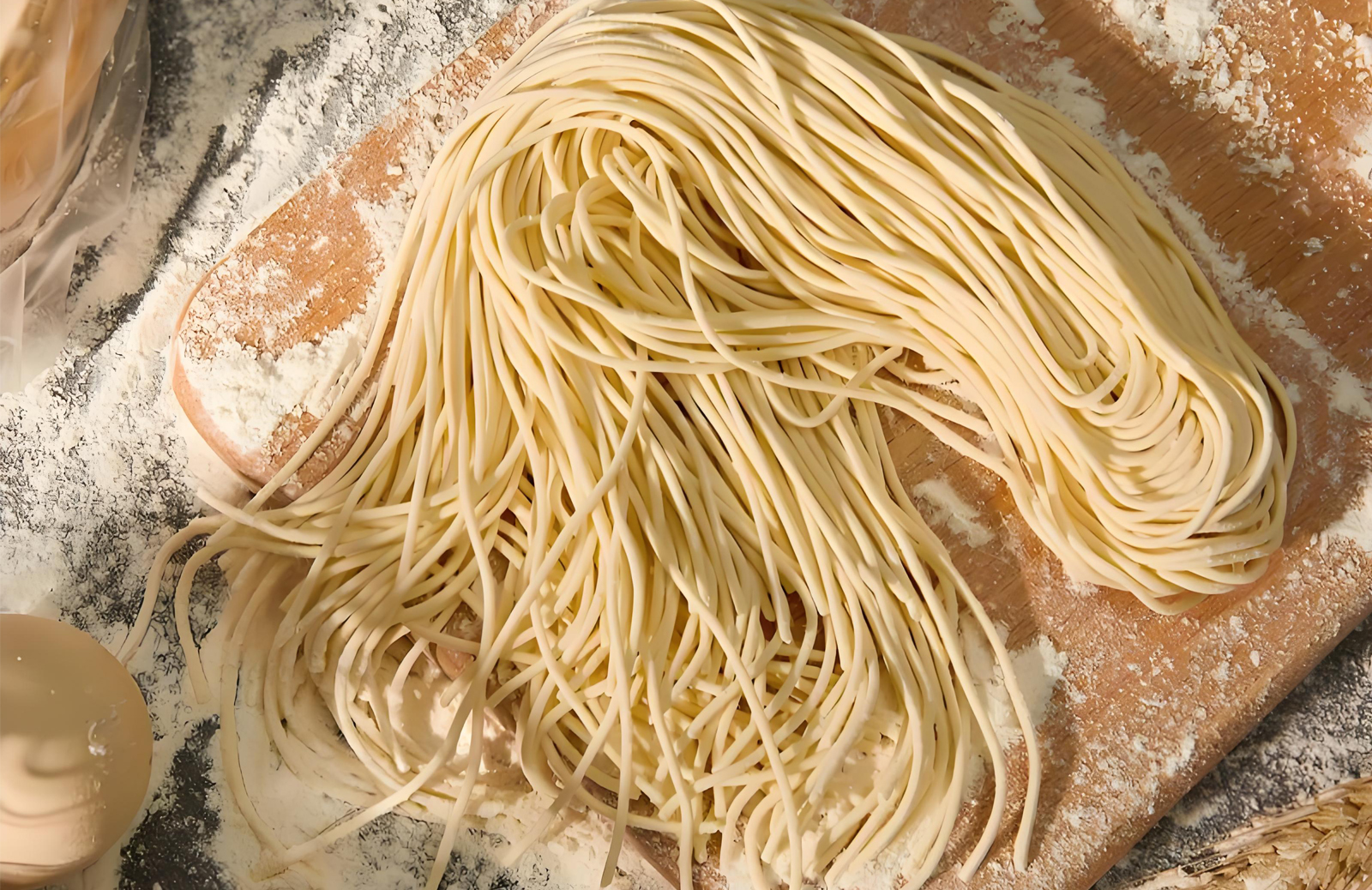
China’s culinary landscape is as vast and varied as its history, and nothing embodies this richness better than its iconic noodles. From hand-pulled strands in bustling street markets to delicate bowls served in tranquil tea houses, Chinese noodles are more than just a meal—they’re a cultural experience. Let’s dive into the world of Chinese noodles, where every bite tells a story.
Lanzhou Lamian: The Art of Hand-Pulled Perfection
Hailing from Northwest China, Lanzhou beef noodle soup is a masterpiece of simplicity and skill. Watch in awe as chefs stretch and fold dough into silky, uniform strands in seconds—a centuries-old technique passed down through generations. Served in a clear, aromatic broth flavored with radish, chili oil, and tender beef, this dish is a harmonious blend of texture and warmth. Pro tip: Follow the locals and add a splash of black vinegar to elevate the umami!
Sichuan Dan Dan Mian: A Fiery Symphony
For those who crave bold flavors, Sichuan’s dan dan noodles deliver a thrilling punch. Springy wheat noodles are tossed in a fiery sauce of chili oil, minced pork, and ya cai (pickled mustard greens), then crowned with crushed peanuts. The result? A riot of numbing spice, tang, and nuttiness that epitomizes Sichuan’s “mala” (numbing-spicy) magic.
Cantonese Wonton Nian Gao: Elegance in a Bowl
In the south, Cantonese cuisine shines with its delicate wonton noodle soup. Thin, golden egg noodles—crisp at the edges yet tender within—are paired with plump shrimp or pork wontons, all swimming in a light, savory broth. This dish is a testament to Guangdong’s love for balance and refinement, often enjoyed as a comforting breakfast or late-night snack.

Chinese noodles are an invitation to savor tradition, artistry, and innovation—one slurp at a time. Whether you’re craving the fiery thrill of Sichuan or the soothing warmth of Cantonese broth, there’s a bowl waiting to become your new favorite.
Beijing Zhajiangmian: A Bite of Imperial Heritage
No visit to Beijing is complete without a bowl of zhajiangmian, the city’s beloved “fried sauce noodles.” Thick wheat noodles are smothered in a rich, salty-sweet sauce made from fermented soybean paste and diced pork. Topped with fresh cucumber slivers and bean sprouts, it’s a hearty, rustic dish once favored by laborers and emperors alike.
Yunnan Crossing-the-Bridge Noodles: A Romantic Ritual
Steeped in legend, Yunnan’s guoqiao mixian is as poetic as its name (“crossing the bridge”). A piping-hot bowl of chicken broth arrives with raw ingredients—thin rice noodles, sliced meats, herbs, and vegetables—waiting to be cooked tableside. The story goes that a wife invented this method to keep her scholar husband’s meals warm as he studied on a distant bridge. It’s not just food; it’s edible romance.


Why Chinese Noodles Captivate the World
Versatility: From wheat to rice, thick to thread-thin, China’s noodles adapt to every region’s climate and creativity.
Cultural Tapestry: Each bowl reflects local history, from Silk Road trade (Lanzhou noodles) to imperial banquets (Beijing zhajiangmian).
Comfort and Community: Whether slurped at a street stall or shared at family gatherings, noodles symbolize connection and continuity.
Ready to Explore?
Grab your chopsticks, follow the aroma of steaming broth, and let China’s noodles take you on a journey where every strand is a thread in the fabric of a 5,000-year-old culinary legacy.
Hungry for more? Explore regional specialties like Xi’an’s biangbiang noodles or Shanghai’s scallion oil noodles—your taste buds will thank you!