
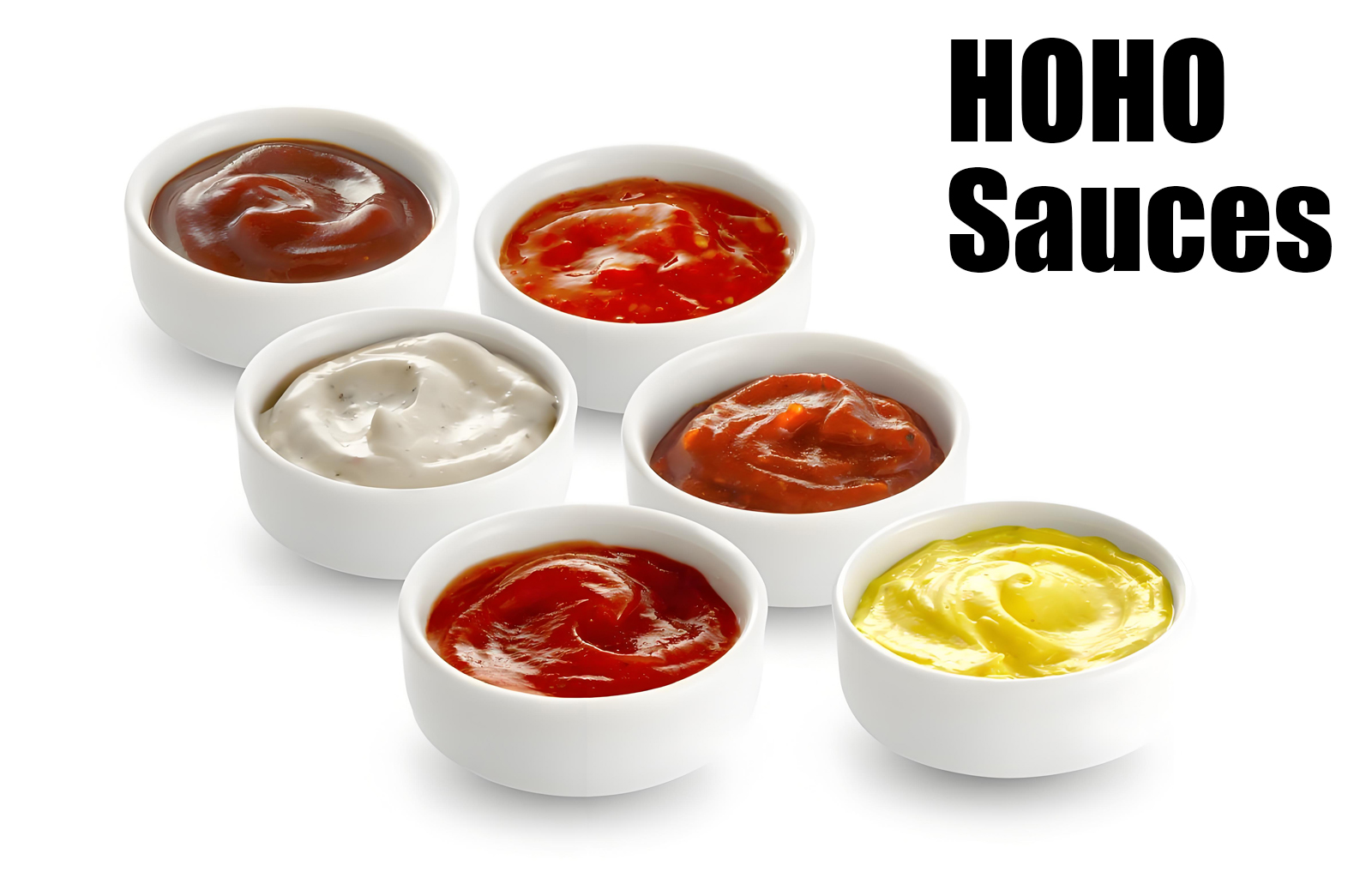
If your pantry feels predictable, it’s time to meet the unsung heroes of global cuisine: Asian sauces. Bursting with umami, spice, sweetness, and depth, these condiments are culinary alchemists—transforming simple meals into unforgettable experiences. From smoky fermented pastes to tangy-sweet glazes, here’s your guide to Asia’s most irresistible sauces and how they can revolutionize your cooking.
Gochujang (Korea): The Fiery Soul of Korean Cuisine
Imagine a sauce that’s spicy, sweet, smoky, and deeply savory—all at once. That’s gochujang, Korea’s iconic fermented chili paste. Made from red chili flakes, glutinous rice, and soybeans, this crimson powerhouse fuels dishes like bibimbap, tteokbokki, and modern fusion hits like gochujang-glazed burgers.
Why try it?
- Adds a complex kick to marinades, dips, or even chocolate desserts (trust us!).
- Packed with probiotics from fermentation, supporting gut health.
Pro tip: Mix with honey and lime for a killer wing sauce!
Hoisin (China): The “Chinese BBQ Sauce”
Sweet, salty, and rich with fermented soybean goodness, hoisin sauce is the secret behind Peking duck’s glossy perfection and the addictive drizzle on Vietnamese pho. Its caramel-like depth comes from garlic, vinegar, and spices like star anise.
Why try it?
- Brush it on grilled meats, stir into noodles, or use as a dumpling dip.
- Vegan-friendly and gluten-free options abound.
Fun twist: Swap ketchup for hoisin in your next burger or meatloaf glaze.


Fish Sauce (Southeast Asia): The Umami Bomb
Don’t let the name scare you—fish sauce (like Thailand’s nam pla or Vietnam’s nước mắm) is the backbone of Southeast Asian cooking. Made from fermented anchovies, this golden liquid adds a salty, savory punch to curries, salads, and stir-fries.
Why try it?
- A few drops elevate soups, dressings, or even Bloody Marys.
- Rich in amino acids, it’s nature’s MSG (but better!).
Chef’s hack: Balance its intensity with lime juice and sugar for a perfect dipping sauce.
Miso (Japan): The Fermented Wonder
Miso paste, a blend of fermented soybeans, salt, and koji mold, is Japan’s gift to umami lovers. From classic miso soup to trendy miso caramel, its earthy-sweet flavor adapts to both tradition and innovation.
Why try it?
- White miso (mild) for dressings and desserts; red miso (bold) for stews and glazes.
- Boosts immunity with probiotics and antioxidants.
Try this: Whisk miso into mashed potatoes or brownies for a savory-sweet surprise.

Pair these sauces with our previous guide to Asian spices and noodles for a full-flavored feast!
Sambal (Indonesia/Malaysia): The Chili Revolution
For heat seekers, sambal—a fiery blend of chilies, shrimp paste, and lime—is a must. Whether spooned over noodles, stirred into fried rice, or paired with avocado toast, it’s a one-way ticket to flavor town.
Why try it?
- DIY control: Adjust sweetness or tang with palm sugar or tamarind.
- Versatile base for marinades, soups, or even cocktails (spicy margarita, anyone?).
Hot tip: Mix sambal with mayo for an instant spicy sandwich spread.
Oyster Sauce (Cantonese): The Savory Glaze
Thick, glossy, and brimming with briny sweetness, oyster sauce is Cantonese cooking’s magic touch. Originally made from oyster extracts, modern versions offer vegetarian alternatives using mushrooms.
Why try it?
- Perfect for stir-fries, noodle dishes, or drizzling over roasted veggies.
- Adds depth without overpowering (unlike soy sauce).
Idea: Toss popcorn with butter, oyster sauce, and sesame seeds for an umami snack.


Why Asian Sauces Belong in Every Kitchen
Flavor Layering: They add complexity that salt and pepper alone can’t achieve.
Health Boost: Many are fermented, offering probiotics and reduced sodium options.
Global Fusion: Easily blend into Western dishes—imagine gochujang pasta or miso gravy!
Asian sauces aren’t just condiments—they’re passports to creativity. Start with one bottle, and soon you’ll wonder how you ever cooked without them. Whether you’re jazzing up weeknight dinners or impressing guests, these sauces promise to make every meal an adventure.

Hi, this is a comment.
To get started with moderating, editing, and deleting comments, please visit the Comments screen in the dashboard.
Commenter avatars come from Gravatar.