
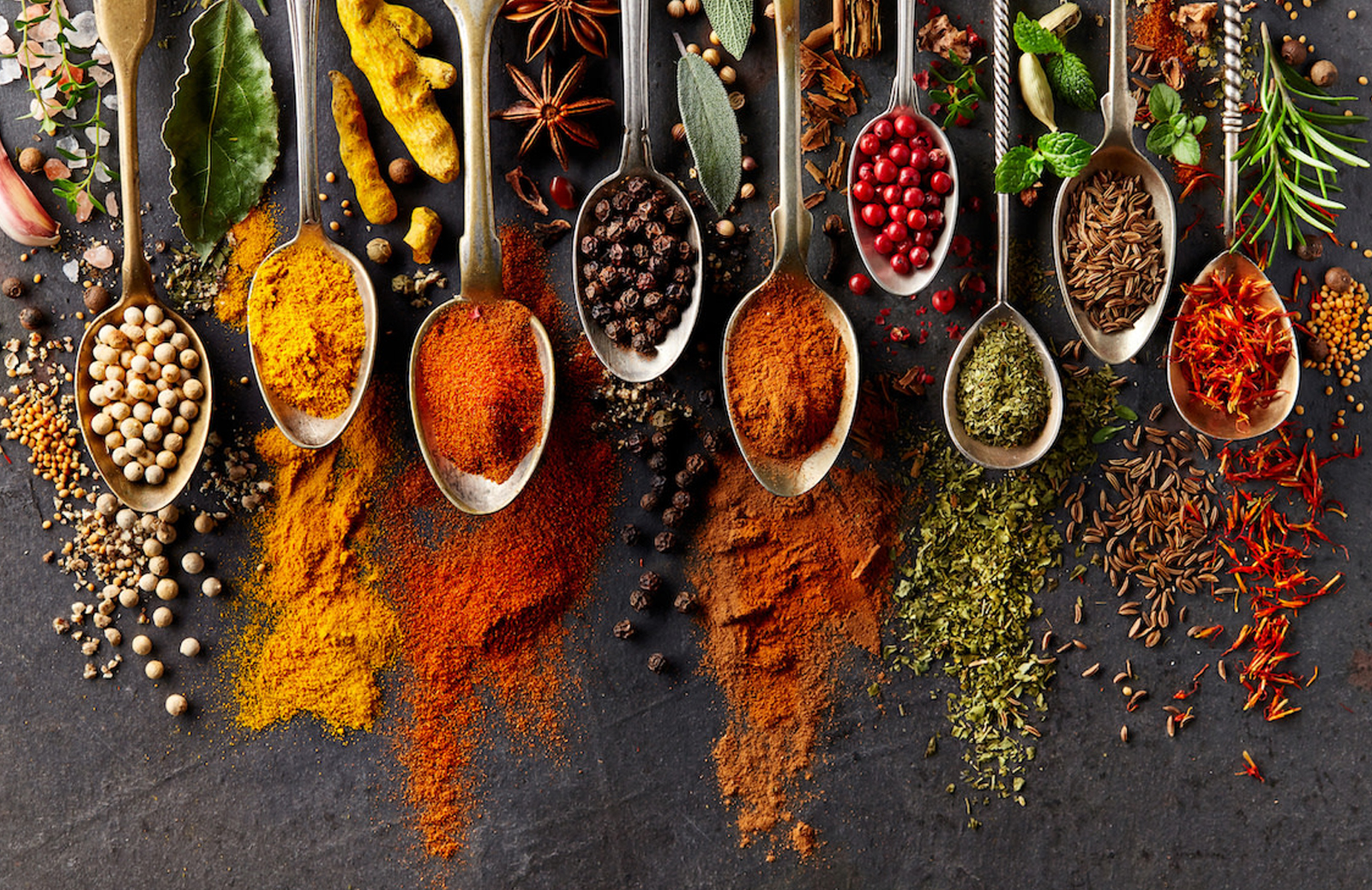
The Allure of Turmeric: The Golden Spice
Turmeric, often referred to as the “golden spice,” is a staple in Asian cuisine, particularly in Indian and Southeast Asian dishes. Known for its vibrant color and earthy flavor, turmeric is more than just a spice—it’s a superfood. Packed with curcumin, a powerful antioxidant, turmeric is celebrated for its anti-inflammatory properties. Add a pinch to your curries, soups, or even smoothies to enjoy its health benefits and rich, warm flavor.
The Aromatic Elegance of Star Anise
Star anise, with its distinctive star shape and licorice-like flavor, is a key ingredient in many Asian dishes. It’s a cornerstone of Chinese five-spice powder and is often used in braised dishes, soups, and even desserts. The spice’s sweet, aromatic flavor pairs beautifully with meats, particularly pork and duck, and can also be used to infuse teas and broths with a warm, comforting aroma.
The Fiery Charm of Chili Peppers
For those who crave a bit of heat, Asian chili peppers are a must-try. From the mild heat of the Japanese shishito pepper to the intense burn of the Thai bird’s eye chili, these peppers add depth and complexity to any dish. They’re not just about the heat; chili peppers also bring a unique flavor profile that can range from sweet and smoky to tangy and sharp. Use them in stir-fries, sauces, or even as a garnish to add a fiery kick to your meals.


The Sweet Warmth of Cinnamon
While cinnamon is often associated with sweet treats, it plays a crucial role in many Asian savory dishes as well. In Indian cuisine, cinnamon is a key component of garam masala, a spice blend used in curries and stews. In Chinese cuisine, it’s used in braised dishes and five-spice powder. The sweet, woody flavor of cinnamon adds depth and warmth to any dish, making it a must-have in your spice rack.
The Versatility of Ginger
Ginger is a true workhorse in the kitchen. Its zesty, slightly sweet flavor makes it a versatile spice that can be used in both savory and sweet dishes. In Asian cuisine, ginger is often used in stir-fries, marinades, and soups, but it also shines in desserts like ginger cookies and cakes. Beyond its culinary uses, ginger is renowned for its digestive benefits and ability to soothe nausea.
The Umami Power of Sichuan Peppercorns
Sichuan peppercorns are not your average pepper. Known for their unique numbing effect, these peppercorns are a hallmark of Sichuan cuisine. They add a complex, citrusy flavor and a tingling sensation that elevates dishes like mapo tofu and kung pao chicken. Sichuan peppercorns are a game-changer for anyone looking to explore the bold, adventurous side of Asian cooking.
Spice Up Your Life with Asian Flavors
Asian spices are more than just ingredients—they’re a gateway to a world of bold, complex flavors. Whether you’re looking to add a touch of heat, a hint of sweetness, or a burst of umami, these spices offer endless possibilities. So why not embark on a culinary adventure and discover the magic of Asian spices? Your taste buds will thank you.


When it comes to creating unforgettable flavors, Asian spices are the unsung heroes of the culinary world. From the fiery kick of chili peppers to the warm embrace of cinnamon, these spices have been transforming ordinary dishes into extraordinary experiences for centuries. Whether you’re a seasoned chef or a home cook looking to elevate your meals, Asian spices offer a treasure trove of possibilities.
A Guide to Asian Culinary Spices: Flavors That Define a Continent
Asia’s culinary landscape is a vibrant tapestry of flavors, shaped by an extraordinary array of spices. From the fiery heat of chilies to the earthy warmth of roots and seeds, here’s a glimpse into the diverse world of Asian edible spices:


1. South Asian Staples
-
Turmeric (Curcuma longa): A golden-yellow root with earthy, slightly bitter notes, essential in curries and rice dishes.
-
Cumin (Cuminum cyminum): Nutty and smoky, used in spice blends like garam masala or tempering lentils.
-
Coriander Seeds (Coriandrum sativum): Citrusy and floral, ground into powders or toasted for curries and chutneys.
-
Cardamom (Elettaria cardamomum): Fragrant pods with a sweet, minty aroma, used in desserts, teas, and savory dishes.
-
Fenugreek (Trigonella foenum-graecum): Bitter seeds or leaves (kasuri methi) that add depth to pickles, dals, and spice mixes.
2. Southeast Asian Treasures
-
Lemongrass (Cymbopogon citratus): A citrusy, grassy stalk central to Thai, Vietnamese, and Indonesian soups and curries.
-
Galangal (Alpinia galanga): A pungent, ginger-like rhizome with peppery notes, vital in Tom Yum soup and laksa.
-
Makrut Lime Leaves: Intensely aromatic leaves used in Thai and Cambodian curries, salads, and soups.
-
Thai Bird’s Eye Chili (Capsicum annuum): Tiny but fiery, a staple in spicy dips, stir-fries, and noodle dishes.
-
Shrimp Paste (Terasi): Fermented seasoning adding umami depth to sambals and Malaysian rendang.
3. East Asian Essentials
-
Sichuan Peppercorns (Zanthoxylum simulans): Citrusy, numbing spice key to Sichuan cuisine (e.g., Mapo Tofu).
-
Five-Spice Powder: A Chinese blend of star anise, cloves, cinnamon, Sichuan pepper, and fennel seeds.
-
Sesame Seeds: Toasted for nutty flavor in Korean bibimbap, Japanese dressings, and Chinese pastries.
-
Gochugaru (Korean Chili Flakes): Mild, smoky pepper powder used in kimchi, stews, and marinades.
-
Miso (Fermented Soybean Paste): A salty, umami-rich Japanese staple for soups, glazes, and sauces.
4. Middle Eastern & Central Asian Influences
-
Sumac (Rhus coriaria): Tart, crimson berries sprinkled over Middle Eastern salads and grilled meats.
-
Saffron (Crocus sativus): Luxurious threads from Iran and Kashmir, infusing rice, sweets, and biryanis with golden hues.
-
Nigella Seeds (Nigella sativa): Peppery “black cumin” used in Indian naan, Bengali curries, and Middle Eastern breads.
5. Unique Regional Specialties
-
Asafoetida (Ferula assa-foetida): A pungent resin (common in Indian vegetarian dishes) with an onion-garlic aroma.
-
Tamarind (Tamarindus indica): Sweet-sour pulp used in Thai pad Thai, Indian chutneys, and Filipino sinigang.
-
Star Anise (Illicium verum): Star-shaped pods with licorice-like flavor, starring in Chinese braises and pho broth.
Asian spices are a fusion of bold flavors, cultural depth, holistic health, and culinary adaptability, making them timeless essentials in kitchens worldwide.
Explore our curated selection of premium Asian spices and start your journey today. From the golden hues of turmeric to the fiery depths of chili peppers, there’s a world of flavor waiting for you. Spice up your kitchen and transform your meals into unforgettable culinary experiences.
Stay tuned for our upcoming blog posts, where we’ll share exclusive deals and discounts on popular electronics, as well as provide in-depth reviews of the latest gadgets in the market. Happy shopping!
we’ll share exclusive deals and discounts on popular electronics