
In the bustling alleys of Hong Kong, where neon lights dance and culinary traditions collide, there’s one dish that captures the city’s essence in a single spoonful: Hong Kong-style wonton (雲吞). More than just dumplings, these delicate parcels are a testament to Cantonese craftsmanship—a harmony of texture, flavor, and heritage that has enchanted food lovers for generations. Let’s unwrap the magic of this iconic dish.
The Art of the Wonton: A Legacy in Every Fold
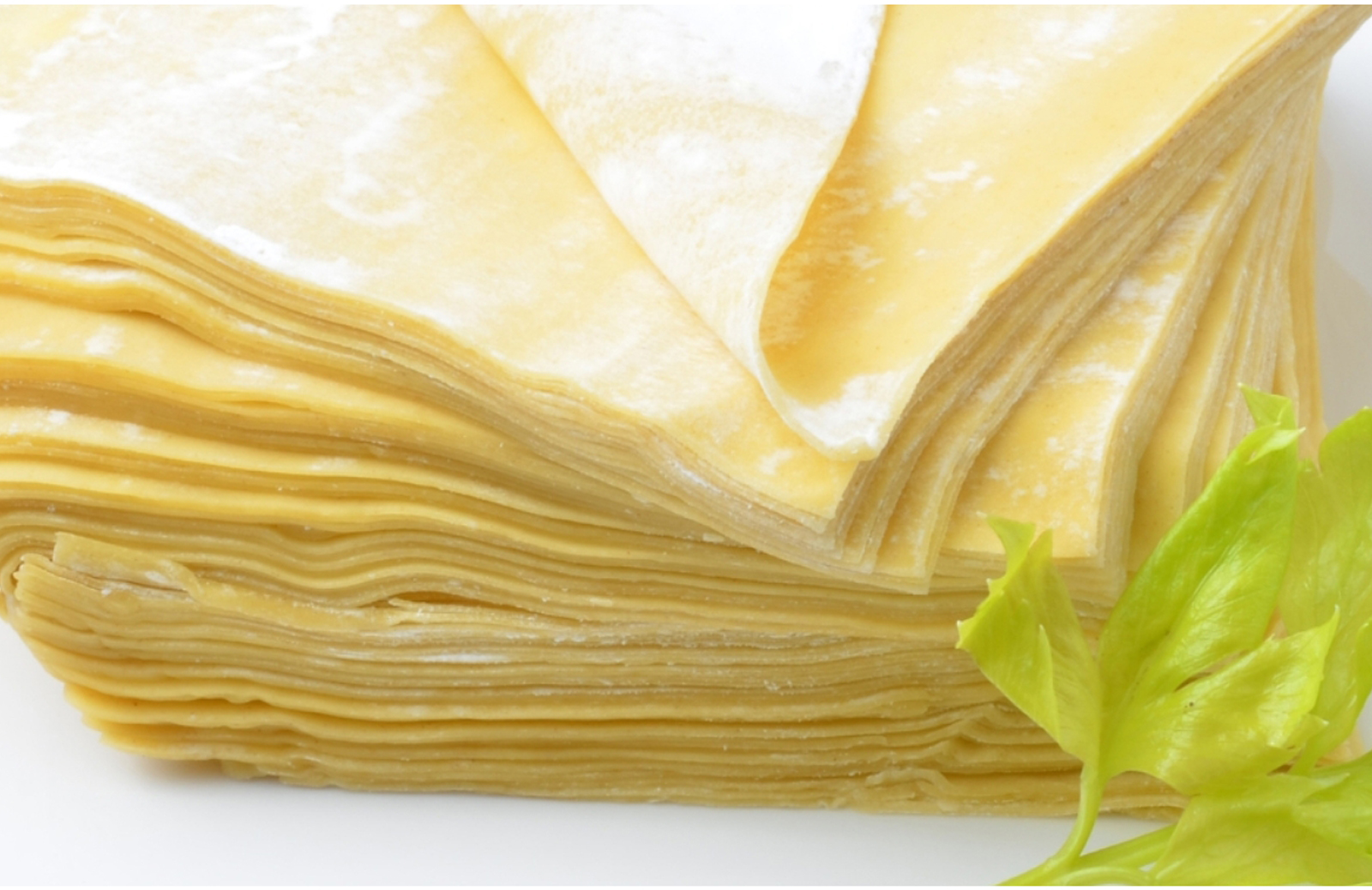
Hong Kong’s wontons are a masterclass in simplicity perfected. Unlike their thicker-skinned cousins in northern China, these Cantonese gems feature translucent, paper-thin wrappers made from wheat and egg, stretched so thin they shimmer like silk. The filling? A luxurious blend of plump shrimp (often spotted prawns), finely minced pork, and a whisper of dried orange peel or white pepper for brightness. Each pleated pouch is a labor of love, folded swiftly by hand to cradle the filling without overpowering it.
The Broth: Liquid Gold from the Sea
No Hong Kong wonton is complete without its soulmate: a crystal-clear broth that sings of the ocean. Traditionally simmered for hours with dried flounder (大地魚), pork bones, and rock sugar, this broth is light yet deeply umami. Some chefs add a splash of Shaoxing wine or shrimp roe for extra complexity. The result? A golden elixir that elevates the wontons without overshadowing them.


Wonton Noodles: The Dynamic Duo
In Hong Kong, wontons are rarely solo acts. They star alongside egg noodles—springy, alkaline-infused strands known as jau gai min (竹昇麵), traditionally pressed using bamboo logs. Served in a shallow pool of broth, the dish is crowned with blanched bok choy and a sprinkle of chives. The contrast of silky wontons, chewy noodles, and crisp greens is nothing short of perfection.
From Humble Eats to Haute Cuisine
Wontons began as a humble street snack for 19th-century dockworkers but soon climbed the culinary ladder. Today, they’re celebrated in:
Home kitchens: A Sunday family ritual, with generations gathering to fold and share stories.
Cha chaan tengs (Hong Kong cafes): Served as quick, comforting lunches.
Michelin-starred restaurants: Reimagined with truffle-infused broths or lobster fillings.


Whether you’re wandering the streets of Sheung Wan or recreating the magic at home, Hong Kong-style wonton invites you to savor a piece of culinary history. For home cooks, seek out fresh shrimp and thin wrappers (or make your own!), and remember: the secret lies in restraint—let the ingredients shine.
How to Eat Like a Local
Pair: Enjoy with a side of crispy eggplant with salted fish or a milk tea for the full Hong Kong experience.
Slurp strategically: Lift the noodle-wonton bundle with chopsticks, then sip the broth from the spoon.
Customize: Add chili oil, vinegar, or a dash of soy sauce for personal flair.

Why Hong Kong Wonton Wins Hearts Worldwide
Cultural storytelling: Each bite carries tales of migration, trade, and Hong Kong’s fusion identity.
Texture trinity: Silky wrappers, succulent filling, springy noodles.
Balanced flavors: Sweet shrimp, savory pork, and oceanic broth create umami harmony.