
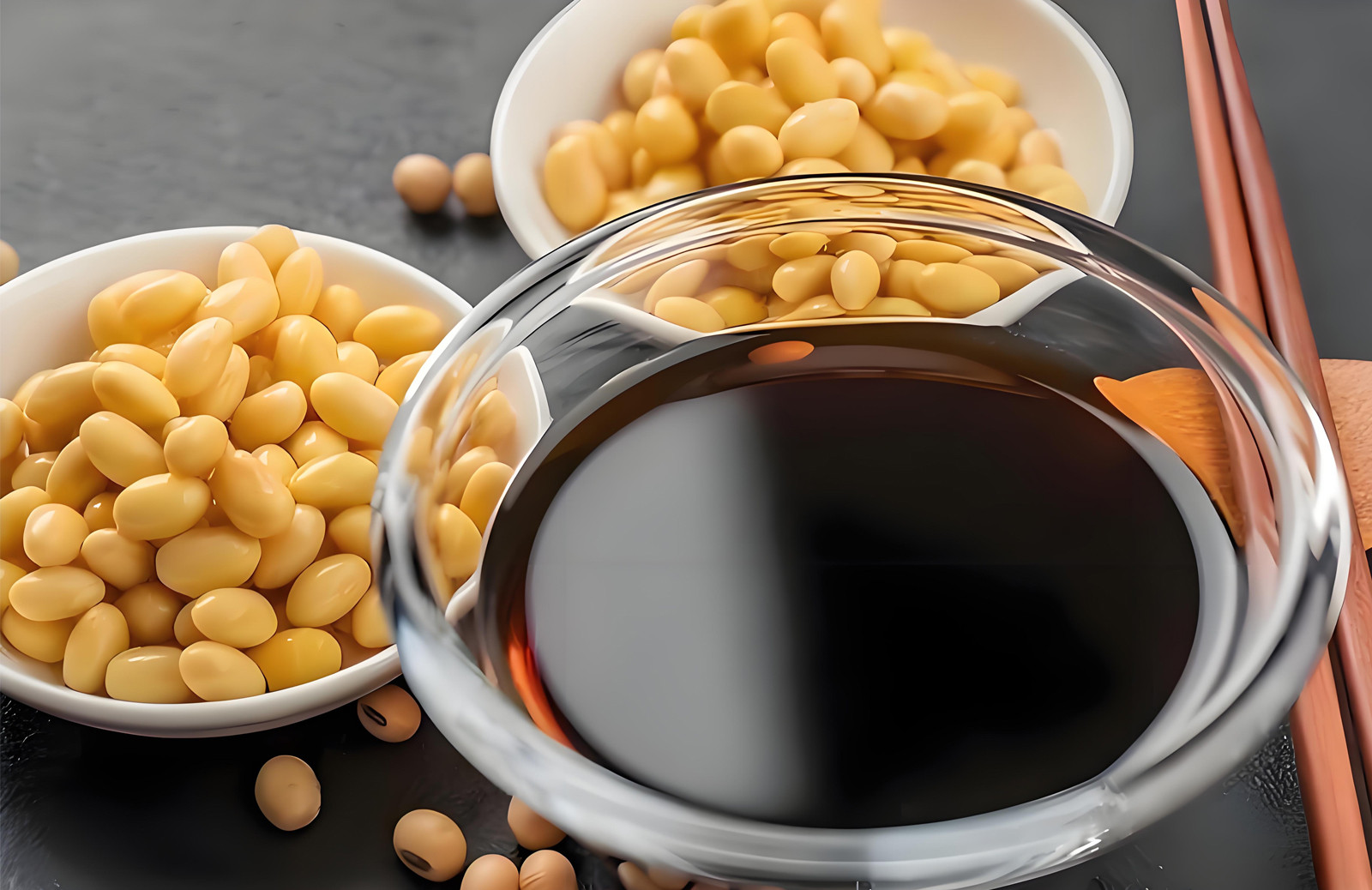
In the world of condiments, few ingredients carry the legacy, versatility, and sheer umami power of Asian soy sauce. For over 2,500 years, this fermented marvel has been the backbone of Asian cuisine, transforming humble ingredients into culinary masterpieces. Now, it’s time to bring this liquid gold to Western kitchens—where it can revolutionize everything from grilled steak to chocolate desserts. Let’s dive into the rich, savory world of soy sauce and discover why it deserves a permanent spot on your shelf.
The Art of Fermentation: How Soy Sauce is Born
Soy sauce begins with a simple trio: soybeans, wheat, salt—and time. Through a meticulous fermentation process (lasting months to years!), microbes work their magic, breaking down proteins into amino acids and starches into sugars. The result? A complex, balanced flavor profile that’s salty, sweet, earthy, and deeply savory—all at once.
Fun fact:
Traditional Korean ganjang (soy sauce) is often brewed in clay pots under the sun for extra depth.
Japan’s shoyu and China’s jiangyou differ in ratios of soybeans to wheat, creating unique regional twists.

Beyond the Bottle: The Many Faces of Soy Sauce
Not all soy sauces are created equal. Here’s your cheat sheet to Asia’s iconic varieties:
- Light Soy Sauce (China): The “all-purpose” star—thin, salty, and perfect for stir-fries, marinades, and dipping.
- Dark Soy Sauce: Aged longer with molasses-like sweetness, ideal for braises and glazes (hello, sticky char siu pork!).
- Tamari (Japan): Wheat-free, richer, and smoother—great for gluten-free diets or sashimi dipping.
- Sweet Soy Sauce (Indonesia/Malaysia): Thick, syrupy kecap manis adds caramelized depth to satay or fried rice.
- Low-Sodium Options: Health-conscious? Modern brands offer 30-50% less salt without sacrificing flavor.
Umami Magic: Why Soy Sauce Beats Salt
Swap your salt shaker for soy sauce, and watch your dishes come alive:
- Depth over dryness: Unlike plain salt, soy sauce adds layers of flavor—think roasted nuts, caramel, and fermented richness.
- Health perks: Fermented soy sauces contain probiotics and antioxidants. Plus, studies suggest moderate use may support heart health.
- The ultimate enhancer: A dash in soups, pasta sauces, or even cookie dough (yes, really!) amplifies complexity without overpowering.

Soy sauce isn’t just a condiment—it’s a flavor revolution in a bottle. Whether you’re searing a steak, roasting veggies, or baking cookies, this ancient elixir will elevate your dishes from ordinary to extraordinary.
Global Kitchen Hacks: Soy Sauce Beyond Stir-Fries
Think soy sauce belongs only in Asian dishes? Think again. Here’s how to use it like a pro:
- Marinades: Mix with honey, garlic, and ginger for grilled chicken or tofu.
- Salad Dressings: Whisk with olive oil, rice vinegar, and sesame seeds for an umami-packed vinaigrette.
- Desserts: Add a few drops to chocolate brownies or caramel sauce for a salty-sweet edge.
- Cocktails: Shake into Bloody Marys or Micheladas for a savory twist.
- Umami Bomb: Splash into risotto, chili, or gravy for instant depth.
Pro tip: Replace Worcestershire sauce with soy sauce in Caesar dressing or burgers—it’s bolder and gluten-free!
Choosing Your Soy Sauce: A Quick Guide
- Check the label: Opt for naturally brewed (avoid “hydrolyzed” or artificial additives).
- Color clues: Light for seasoning, dark for color and sweetness.
- Regional flair: Experiment with Japanese usukuchi (lighter salt) or Thai see ew khao (subtle sweetness).
Why Soy Sauce is the Ultimate Pantry Hero
Plant-powered: Vegan, vegetarian, and keto-friendly, it’s a flavor booster for all diets.
Cultural bridge: A bottle connects you to ancient traditions—from samurai-era Japan to imperial Chinese kitchens.
Zero waste: Lasts years in the fridge (thanks to its high salt content!).

Soy sauce, a staple in Asian cuisine, varies widely by region, ingredients, and production methods.
- Seafood Soy Sauce : Infused with dried seafood extracts for enhanced umami; perfect for seafood dishes.
- Low-Sodium Soy Sauce: Reduced salt content for health-conscious cooking.
- Mushroom Soy Sauce: Blended with mushroom broth, popular in vegetarian dishes.
- Organic/Traditional Brewed: Made with non-GMO soybeans, no additives, and slow-fermented for depth.
Soy sauce ranges from salty to sweet, thin to thick, and pairs with everything from sushi to steak. Choose based on your dish’s needs: light for seasoning, dark for color, tamari for gluten-free, or kecap manis for sweetness.
The Advantages of Asian Soy Sauce: A Blend of Tradition, Health, and Flavor
Asian soy sauce stands out as a culinary powerhouse, offering a unique fusion of taste, heritage, and health benefits. Naturally brewed through centuries-old fermentation techniques, it delivers rich umami depth that enhances dishes without overpowering them. Unlike artificial seasonings, traditional varieties like Chinese jiangyou or Japanese shoyu are packed with probiotics and amino acids from slow fermentation, supporting gut health and digestion. Its versatility spans from marinades and stir-fries to desserts and cocktails, while low-sodium and gluten-free options cater to modern dietary needs. Moreover, soy sauce’s ability to balance salty, sweet, and savory notes makes it a sustainable, flavor-boosting alternative to salt, connecting global kitchens to Asia’s timeless culinary wisdom.
It is a long established fact that a reader will be distracted by the readable content of a page when looking at its layout. The point of using Lorem Ipsum is that it has a more-or-less normal distribution of letters, as opposed to using \’Content here, content here\’, making it look like readable English.
The point of using Lorem Ipsum is that it has a more-or-less normal distribution of letters, as opposed to using ‘Content here, content here’, making it look like readable English.
Content here, content here’, making it look like readable English.
Many desktop publishing packages and web page editors now use Lorem Ipsum as their default model text, and a search for \’lorem ipsum\’ will uncover many web sites still in their infancy.